
Why Early Orthodontic Intervention Matters for Children
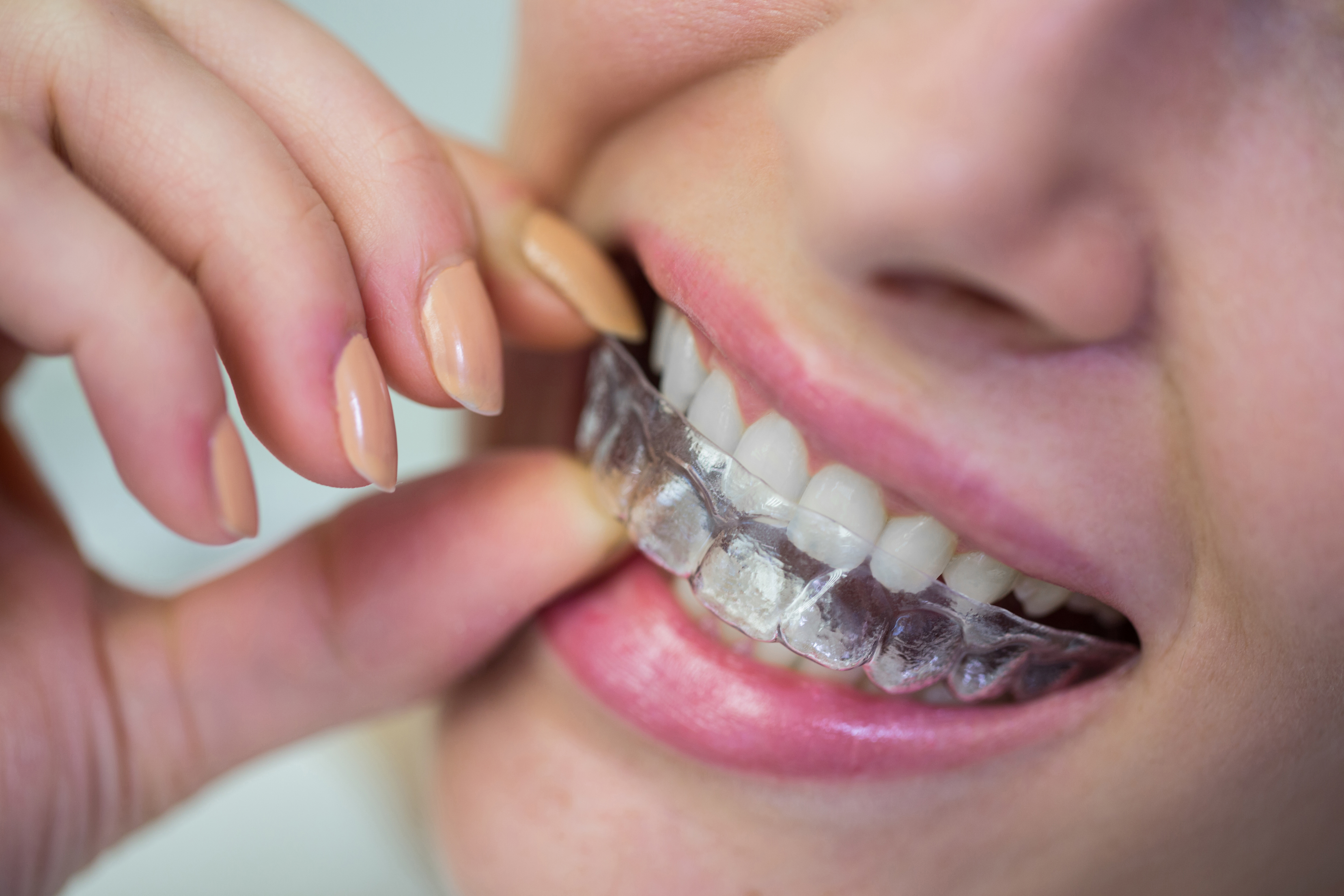
A healthy, confident smile begins long before the teenage years. Many parents assume orthodontic treatment starts in middle school, but early evaluation can play a powerful role in guiding proper jaw growth and tooth alignment. Practices like Orthodontic Specialists of Utah, Salt City Orthodontics emphasize the importance of proactive care to prevent more serious concerns later.
Early orthodontic intervention doesn’t always mean braces right away. Instead, it means monitoring growth at the right time and stepping in only when necessary to support healthy development.
The Recommended Age for an Orthodontic Evaluation
The American Association of Orthodontists recommends that children see an orthodontist by age seven. At this age:
Permanent molars have typically erupted
Front permanent teeth begin emerging
Jaw growth patterns become easier to assess
Bite relationships can be evaluated accurately
Even if your child still has baby teeth, early screening allows orthodontists to detect issues that may not be visible to parents.
What Is Early Orthodontic Intervention?
Early intervention, often called Phase I treatment, addresses developing problems before they worsen. It may include:
Palatal expanders
Limited braces
Space maintainers
Habit-correction appliances
The goal is not cosmetic correction alone. Early care helps guide jaw development, improve bite alignment, and create space for incoming permanent teeth.
Why Early Treatment Can Make a Big Difference
1. Guides Jaw Growth
Children’s jaws are still developing. Orthodontists can use this growth to their advantage, correcting structural issues before bones fully mature.
2. Prevents Severe Crowding
Interceptive treatment may reduce the need for extractions later by creating adequate space early.
3. Reduces Risk of Dental Trauma
Protruding front teeth are more vulnerable to injury. Early correction helps protect them.
4. Improves Speech and Chewing
Bite problems can impact speech clarity and eating comfort.
Families often coordinate early evaluations with general dentists at offices like Sugarhouse Dental or other Salt Lake dental care providers to ensure comprehensive oral health monitoring.
Common Signs Your Child May Need Early Orthodontic Care
Early or late loss of baby teeth
Mouth breathing
Thumb-sucking beyond age five
Difficulty chewing
Crossbite or underbite
Crowded or protruding teeth
If you notice any of these signs, consulting a specialist is a proactive step.
The Role of Experienced Orthodontic Providers
Choosing experienced professionals, such as Orthodontic Specialists of Utah, ensures your child’s development is evaluated carefully and conservatively. Similarly, Salt City Orthodontics focuses on growth-based treatment planning tailored to each child.
Established practices like Bart Goldsberry Orthodontics also emphasize early assessments to prevent complex issues later in adolescence.
Early Intervention vs. Waiting Until the Teen Years
Some parents wonder: “Why not just wait for braces in middle school?”
While many children do begin comprehensive treatment between ages 11 and 14, waiting isn’t always ideal. Certain jaw discrepancies can only be corrected effectively during growth spurts.
Early treatment may:
Shorten future treatment time
Prevent surgical intervention later
Improve facial balance
Boost self-esteem during formative years
What Happens During a Phase I Treatment Plan?
Phase I treatment usually lasts 9–18 months. After this stage, children enter a monitoring period while permanent teeth erupt.
In many cases, a second phase (full braces or aligners) occurs during adolescence to finalize alignment.
Options for later treatment may include traditional braces or clear aligners like Invisalign. Parents often ask about Invisalign Salt Lake City options and Invisalign Utah cost when planning long-term care.
Braces and Aligners for Older Children
When children reach adolescence, comprehensive treatment may include:
Braces Salt Lake City
Salt Lake City braces
salt lake city ut braces
Traditional braces remain highly effective for complex cases. Clear aligners are increasingly popular for responsible teens.
Orthodontic providers who are recognized as a gold Invisalign provider often have extensive experience treating both teens and adults with aligner systems.
The Financial Perspective: Planning Ahead
Parents frequently ask about Invisalign Utah cost and overall orthodontic investment. Early evaluation can sometimes reduce total expenses by simplifying later treatment.
Many offices offer:
Flexible payment plans
Insurance coordination
Complimentary consultations
Financial planning becomes easier when treatment is approached strategically rather than reactively.
Emergency Considerations
Children with braces or appliances may occasionally need urgent care. Situations like broken brackets or poking wires require emergency orthodontic attention.
In rare cases involving trauma or infection, families may coordinate with emergency dental salt lake city utah providers or seek emergency dental care Salt Lake City services to ensure immediate relief.
Having a trusted orthodontic team makes handling unexpected issues less stressful.
The Emotional Impact of Early Treatment
Children who feel self-conscious about their smiles may avoid smiling or speaking confidently. Early intervention can:
Improve social comfort
Reduce teasing
Enhance classroom participation
Build long-term confidence
Orthodontic treatment isn’t only about straight teeth — it supports emotional development during important growth years.
Collaboration Between Dentists and Orthodontists
Comprehensive care often involves collaboration between orthodontists and general dentists. Offices providing Salt Lake dental care and orthodontic services work together to monitor cavities, gum health, and overall oral development.
Coordination ensures children receive both preventive and corrective care seamlessly.
Orthodontics Isn’t Just for Kids
While this article focuses on children, it’s worth noting that orthodontic treatment is increasingly common for adults. Many parents choose treatment alongside their children.
Modern options like Invisalign make orthodontics discreet and manageable for busy professionals.
Long-Term Benefits of Early Orthodontic Intervention
When timed correctly, early orthodontic care can:
Reduce need for extractions
Improve airway development
Minimize the risk of impacted teeth
Enhance facial harmony
Decrease overall treatment complexity
Proactive evaluation provides clarity and control over your child’s smile journey.
Ready to learn more about early orthodontic care for your child? Visit our Contact page today to schedule a consultation. Our experienced team is here to guide your family toward a healthier, more confident future.
Frequently Asked Questions
1. At what age should my child see an orthodontist?
Age seven is generally recommended for an initial evaluation, even if treatment isn’t needed immediately.
2. Does early treatment mean my child will need braces twice?
Not necessarily. Phase I treatment addresses growth issues, while Phase II focuses on final alignment. Each case is unique.
3. How do I know if my child needs early orthodontic care?
Signs include crowding, bite issues, thumb-sucking habits, or speech difficulties.
4. Is Invisalign an option for children?
Clear aligners are usually recommended for teens or adults, depending on compliance and dental development.
5. What happens if we delay orthodontic evaluation?
Delaying evaluation may allow certain jaw or bite issues to worsen, potentially requiring more complex treatment later.
